English


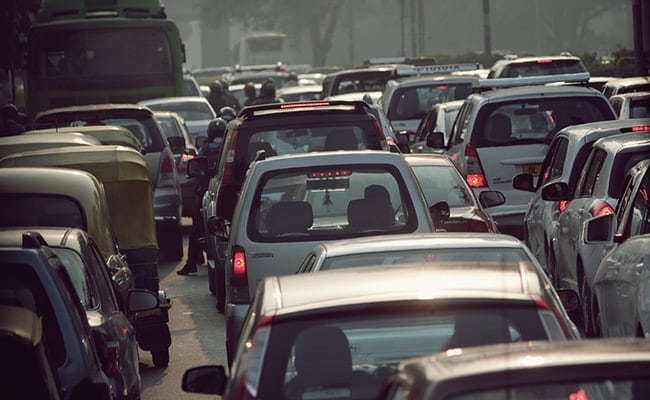
The Motor Vehicle Amendment bill was passed in Rajya Sabha with 108 members voting yes for it and 13 members voting against it. The amendments were tabled in the Parliament in 2017 and were later sent to a select committee. But it was not cleared by the upper house and lapsed when the 16th Lok Sabha was dissolved. But now that it has been passed in Lok Sabha and Rajya Sabha, expect the fines for traffic offences to go up exponentially. In some cases, the fines have been increased by up to 10 times. For example, if one is caught driving without license, the earlier fine was ₹ 500 and now the proposed fine is ₹ 5,000. Similarly, if you are caught drinking and driving, you will be fined ₹ 10,000 instead of ₹ 2,000 which is the current norm. The bill also proposes that the amount of traffic violation fines should be increased at the rate of 10 per cent per year.
Also Read: Union Minister Nitin Gadkari Tables Motor Vehicle Amendment Bill
Here is a list of proposed changes for various traffic violations
| Sr No. | Traffice Offence (Section) | Old Fine Amount | Proposed Fine Amount |
|---|---|---|---|
| 1 | General Offence (177) | ₹ 100 | ₹ 500 |
| 2 | Road Regulation Violation (177 A) | ₹ 100 | ₹ 500 |
| 3 | Unauthorised use of vehicles Without license (180) | ₹ 1,000 | ₹ 5,000 |
| 4 | Driving without license (181) | ₹ 500 | ₹ 5,000 |
| 5 | Disobedience of Order Of Authorities (179) | ₹ 500 | ₹ 5,000 |
| 6 | Drunk Driving (185) | ₹ 2,000 | ₹ 10,000 |
| 7 | Speeding Or Racing (189) | ₹ 500 | ₹ 5,000 |
| 8 | Vehicle Without Permit (192A) | ₹ 5,000 | ₹ 10,000 |
| 9 | Driving Without Qualification (182) | ₹ 500 | ₹ 10,000 |
| 10 | Not Wearing Seat Belt/Helmet (194B) | ₹ 100 | ₹ 1,000 |
| 11 | Oversized Vehicles (182B) | (New Rule) | ₹ 5,000 |
| 12 | Not Providing Way For Emergency Vehicles (194E) | (New Rule) | ₹ 10,000 |
| 13 | Travelling Without Ticket (178) | ₹ 200 | ₹ 500 |
| 14 | Over-speeding (183) | ₹ 400 | ₹ 1,000 - ₹ 2,000 |
| 15 | Driving Without Insurance (196) | ₹ 1,000 | ₹ 2,000 |
| 16 | Dangerous Driving (184) | ₹ 1,000 | ₹ 5,000 |
| 17 | Offenses By Juveniles (199) | (New Rule) | ₹ 25,000 (3 year imprisonment) |
| 18 | Overloading Goods (194) | Extra Tonne | ₹ 20,000 & ₹ 2,000/Tonne |
| 19 | Overloading Passengers (194A) | (New Rule) | ₹ 1,000/passenger |
| 20 | Overloading of Two-Wheelers (194C) | ₹ 100 | DL Impounded For 3 Months |
| 21 | Offenses Committed By Enforcing Authorities (210B) | (New Rule) | Twice The Amount Under Relevant Section |
| 22 | Talking On Mobile Phone While Driving (177) | ₹ 1,000 | ₹ 5,000 |
Also Read: Motor Vehicle Bill Passed In Rajya Sabha
There are additions as well in terms of violations including not giving way to emergency services such as an ambulance will attract a fine of ₹ 10,000, while aggregators violating terms will have to pay a fine of ₹ 5,000. And, if you are not wearing a helmet or a seat belt, you will be fined ₹ 1,000 instead of the earlier ₹ 100. With the new bill ready to be introduced, it is in our best interest to obey all traffic rules and refrain from breaking any rules.
For the latest auto news and reviews, follow carandbike.com on Twitter, Facebook, and subscribe to our YouTube channel.