English


Effect of Winters on Your Car and Driving
During winters, the formation of fog reduces visibility, especially during the times when the sun is not up there. In addition, the drop in temperature has adverse effects on the car components like tyres, battery, brakes and steering, due to which they end up under-performing. In low visibility conditions and snow-covered roads, the under-performing components and lack of caution and skills can result in hazardous accidents.

Checks to Follow While Driving in Winters or Snow
Compared to driving in other weather conditions, driving during winters or on snow-covered roads requires a lot of attention and gentle control while driving and checks to your car's mechanical and electrical components. Following are some of those checks:

- Electrical Check
Cold temperatures can harm your car's battery and electrical components, especially if the battery is old or the electrical bits like headlamps and air conditioner are kept on for a long time. Get the battery of your vehicle charged before the start of winter, and if required, replace it with a new battery. - Engine Check
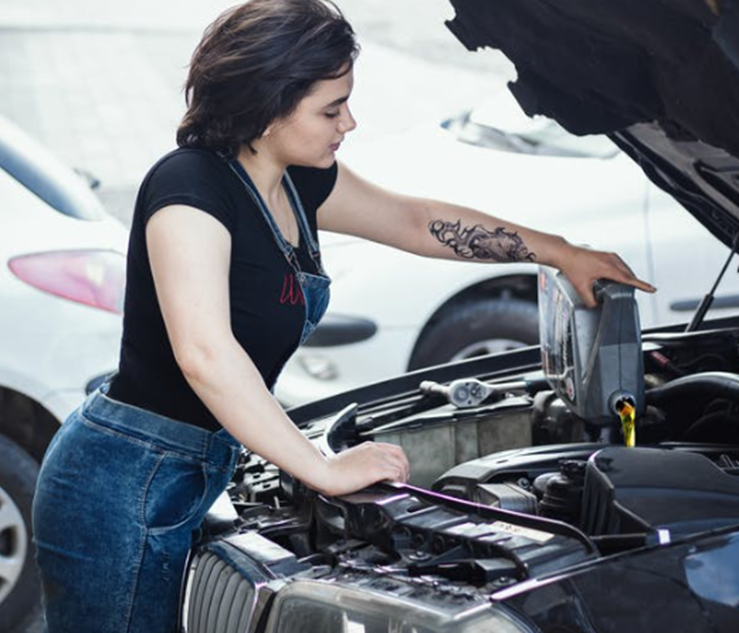
If you are living in an area which experiences an extremely cold environment or low temperatures, the engine oil and coolant could get gummed up. To prevent this from happening, check the engine oil and coolant. If required, replace them with fresh oil and coolant. - Brake Check
In the areas which experience heavy snowfalls, the roads can get wet and slippery due to layers of fresh snow and even black ice. In such situations, your car's brakes should be in optimal condition to offer safe and short braking distances. Clean the brake pads and discs and grease them, if required. And if they need replacement due to excessive wear and tear, replace the old brake pads with new ones as soon as possible. - Tyre Check
Other areas which require utmost attention apart from brakes are the tyres if you are driving in hilly areas or areas that experience heavy snowfall. Keep the air pressure in your tyres at recommended levels. It is advisable to use winter tyres or snow tyres during these times, and if you drive excessively over snow-covered roads, better use snow chains. - Driving Behaviour Check
While driving over snow-covered roads, you need to be gentle with the accelerator and brake pedals and steering wheel to avoid any loss of control. If a car begins to skid in one particular direction, steer the vehicle in that direction to straighten the car. And lastly, use engine braking and drive/terrain modes (if provided) while driving over snow-covered roads or downhill.

For the latest auto news and reviews, follow carandbike.com on Twitter, Facebook, and subscribe to our YouTube channel.